
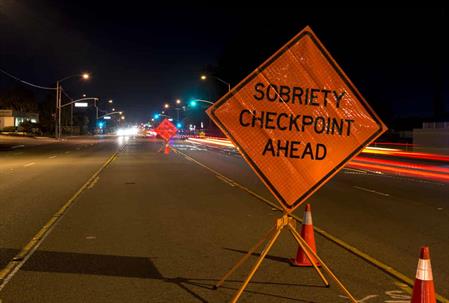
Sobriety checkpoints—roadblocks set up by law enforcement to catch impaired drivers—are becoming more common throughout Virginia. Recent statewide initiatives have directed police departments to increase DUI enforcement, particularly during weekends, holidays, and high-traffic events. While the stated purpose of these checkpoints is to reduce impaired driving, they also create situations where people who may have had just one drink—or who are entirely sober—find themselves under scrutiny.
If you were stopped at a checkpoint and now face DUI charges, do not wait—contact our online form or call (757) 568-7978 today.
Why Are Sobriety Checkpoints Increasing?
Virginia has invested significant resources into combating impaired driving. According to a recent announcement from the Governor’s office, state agencies are expanding patrols and checkpoints to reduce alcohol-related crashes. Local law enforcement agencies often coordinate these checkpoints with federal funding, meaning they will continue to be a recurring presence across Virginia’s roadways.
For drivers, that means the chances of being stopped are higher than ever—regardless of whether you’ve been drinking or not.
How Sobriety Checkpoints Work
At a checkpoint, police officers stop vehicles according to a set pattern—for example, every third or fourth car. Once stopped, the officer may:
- Ask for your driver’s license and registration
- Look for signs of alcohol or drug use, such as the smell of alcohol or slurred speech
- Request that you perform field sobriety tests
- Use a preliminary breath test (a handheld device used roadside)
If an officer believes there is probable cause, you can be arrested and charged with DUI under Virginia Code §18.2-270. This code sets out penalties, including fines, license suspension, and possible jail time.
Common Concerns About Checkpoints
Being stopped at a checkpoint feels unsettling for many people—even if they’ve had nothing to drink. Below are some of the most common concerns drivers share:
- Do I have to go through the checkpoint?
- Yes. Attempting to turn around may draw attention and could result in a stop for another violation.
- What if I don’t feel comfortable answering questions?
- You are required to provide your license and registration, but you do not have to answer questions about where you’ve been or whether you’ve been drinking.
- Can I refuse a breath test?
- Refusing a preliminary roadside breath test is not a criminal offense but may still lead to arrest. However, refusing a post-arrest breath or blood test carries serious penalties under Virginia’s implied consent law.
You can visit our DUI FAQ page for more answers to common DUI-related questions.
Why Legal Representation Matters After a Checkpoint Arrest
Being charged with DUI at a checkpoint can feel overwhelming. Many people think that because it was a “random stop,” they have no defense. In reality, there are several potential issues a defense lawyer can examine, including:
- Whether the checkpoint itself complied with constitutional requirements
- If law enforcement followed the proper procedures during your stop
- The accuracy and reliability of field sobriety and breath tests
At Tillotson & Martin, LLC, our attorneys carefully review every detail of your case to identify weaknesses in the prosecution’s evidence. Learn more about how we defend clients here: Virginia DUI Defense.
Protecting Your Rights at a Time of Rising Checkpoints
With sobriety checkpoints becoming more frequent, understanding your rights is more important than ever. If you or a loved one has been charged with DUI after being stopped, contact Tillotson & Martin, LLC today.
Our attorneys are recognized leaders in Virginia DUI defense. Thomson Reuters Westlaw asked them to author the book on Virginia DUI Law, which prosecutors and other defense attorneys across the state use. Backed by the insight gained from handling thousands of cases, we bring unmatched knowledge to every client we represent. We also offer free consultations and same-day appointments for your convenience.
Take the first step toward protecting your future—contact us through our online contact form or call (757) 568-7978.